
How to Get Direct Bookings Without Calendar Chaos
A guest finds your cabin on Airbnb, likes the photos, and searches your property name before booking. That moment is where many hosts lose a direct reservation. If your site is hard to find, your availability is unclear, or the booking process feels less trustworthy than an OTA, the guest goes back to where they found you, and the direct booking is lost.
Learning how to get direct bookings is not about abandoning Airbnb, Booking.com, or Expedia. Those channels are valuable for discovery. The goal is to give guests who already know and trust your property a simple way to book with you next time, while protecting your rates, calendar, and guest experience.
Start with a direct booking site that answers the guest's questions
A direct booking website does not need dozens of pages or a complicated brand campaign. It needs to make a guest comfortable enough to complete a reservation without opening another tab.
Lead with strong property photos, a clear description of who the stay is for, the location, and the details that affect a booking decision. For a lake cabin, that may be water access, parking, Wi-Fi reliability, pet rules, and distance to the nearest grocery store. For a city apartment, it may be neighborhood access, elevator details, work space, and check-in instructions.
Put current availability and pricing where guests can find it quickly. A guest should be able to enter dates, see the total, understand the cancellation terms, and pay without emailing you first. If they need to request a quote for a standard two-night stay, you have introduced friction at the exact point they are ready to buy.
Trust signals matter just as much as design. Show your business name, a contact method, clear house rules, and plain-language policies. Use professional photos, accurate amenities, and reviews you are permitted to display. A site that looks unfinished can make a lower rate feel risky, while a clear site gives guests a reason to book with confidence.
Keep direct rates clear, not artificially cheap
Direct booking can improve your margin, but a direct price should not create confusion or damage trust. Guests compare totals, not just nightly rates. If your website advertises a lower nightly number but adds unexpected fees at checkout, they may leave or dispute the value of the stay.
Set a pricing strategy that accounts for payment processing, cleaning, taxes, and the cost of operating your direct channel. You may choose to pass part of the savings on to guests, offer a small perk such as flexible check-in when operations allow, or simply keep the same guest-facing total and retain more of the revenue. The right choice depends on your market, occupancy, and how price-sensitive your guests are.
Be especially careful with minimum stays, seasonal prices, discounts, and last-minute rules. If your website allows a one-night booking while another channel requires two nights for the same dates, you can create an operational problem before the reservation is even confirmed. Set your prices and stay rules once, then make sure they are synchronized across every channel.
Show the total before payment
Guests should not have to guess whether taxes, cleaning, pet fees, or extra-guest charges are included. Display each charge clearly and show the final total before payment. Transparent pricing reduces checkout abandonment and prevents the awkward message asking why the total changed.
Make payment feel safe and straightforward
OTAs have spent years teaching travelers to expect fast, familiar checkout. Your direct site has to meet that expectation. Use a recognized payment processor, accept the payment methods your guests use, and send a confirmation promptly after the reservation is completed.
A direct reservation flow should also explain when payment is collected, whether a deposit applies, and how refunds work. Avoid vague language such as "fees may apply." State the policy that applies to that guest's booking. Clear terms protect you when plans change and help guests book without waiting for a reply.
For longer or higher-value stays, a signed rental agreement and security deposit may make sense. For a one-bedroom apartment with frequent weekend stays, too many required steps can reduce conversion. Match the process to the risk and value of the reservation. Professional does not have to mean cumbersome.
Turn OTA guests into repeat direct guests the right way
Your most promising future direct-booking prospects are often guests who have already stayed with you. They know the home, your communication style, and whether the experience matched the listing. That familiarity is difficult to recreate with a first-time visitor.
Give every guest a stay worth repeating. Fast answers, accurate arrival information, a clean property, and a smooth issue resolution process do more for direct revenue than a promotional code sent to a disappointed guest. Your guidebook can help here: include useful local recommendations, property instructions, and details that make the stay easier without forcing guests to message you for basics.
After checkout, invite guests to book your website for a future stay where permitted by the booking channel's rules and your local regulations. Keep the message helpful rather than aggressive. A simple note that they can find current availability and return-guest options on your site is more effective than a hard sell.
Do not try to pull guests off an OTA before their first booking or violate platform policies. Use OTAs for the reach they provide, then build a direct relationship through excellent hospitality once the guest is legitimately yours to serve again.
Promote the property name, not just a discount
A direct booking website will not produce much if nobody can find it. Start with the basics: use a consistent property or business name across your listings, social profiles, email signature, guidebook, and printed guest materials. When a guest searches that name, they should find your official site easily.
Focus on channels you can maintain. For some operators, repeat guests and referrals will drive the strongest results. For others, local partnerships with wedding venues, event organizers, relocation companies, or nearby attractions can produce qualified traffic. Social media can help when you have distinctive visuals and a real posting rhythm, but it is not mandatory for every property.
Discounts are useful only when they have a purpose. A return-guest offer during a soft season can fill gaps. A permanent, deep direct discount can train guests to wait for a deal and reduce your ability to cover operating costs. Test offers against your net revenue for each channel.
Prevent the double bookings that erase direct-booking gains
A direct reservation is only profitable if the dates, rate, and rules are correct. Manually updating calendars across multiple extranets is where small errors become expensive. One missed block can result in a double booking, a forced cancellation, compensation costs, and a damaged review.
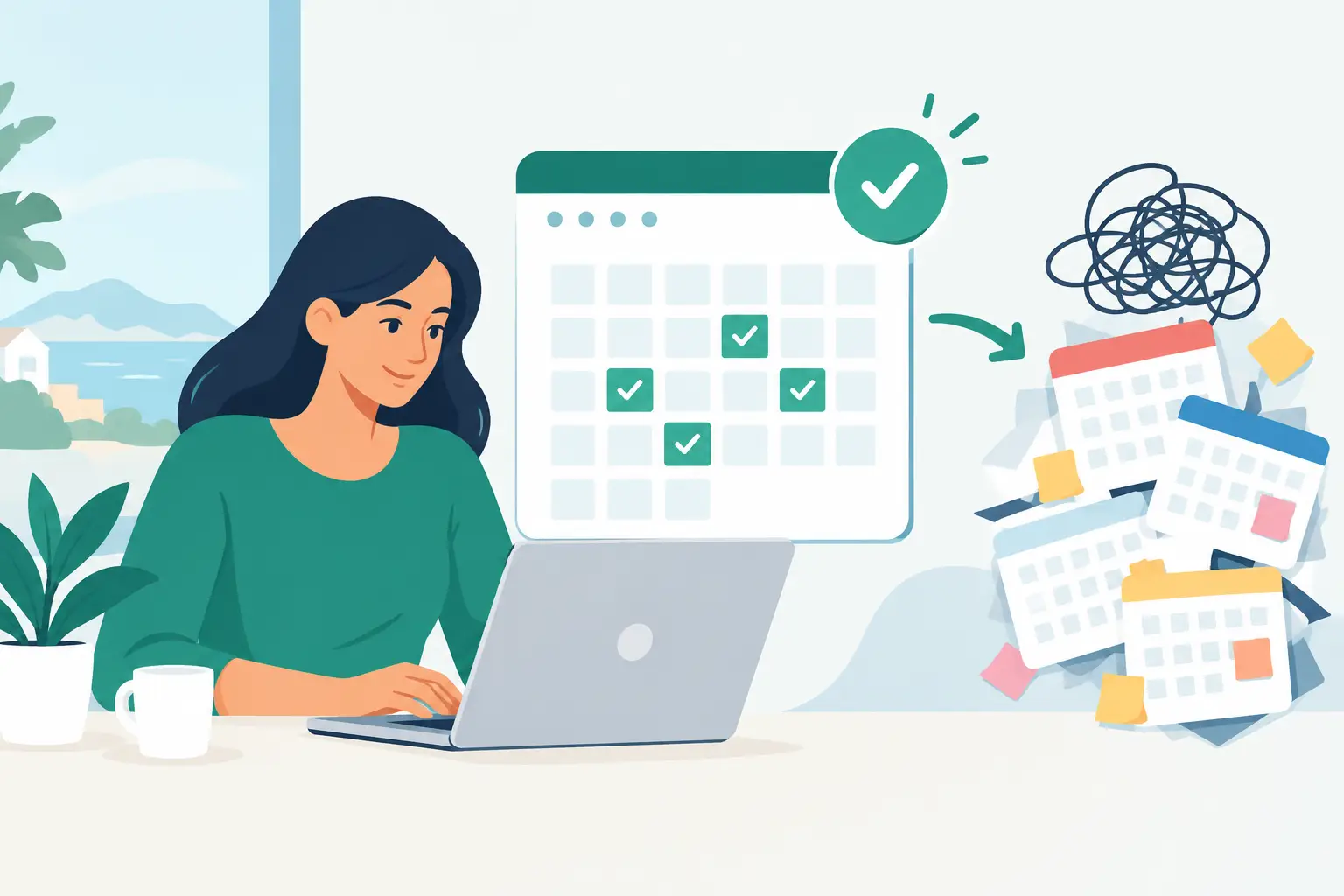
Use a channel manager with API connections to keep availability, pricing, and stay restrictions aligned across your direct site and channel listings. When a guest books through any channel, that reservation should appear in one calendar and close the dates everywhere else. The same control center should give you visibility into who is arriving, what is paid, and what your cleaning team needs to prepare.
This is also where direct bookings become easier to manage at scale. With Hostavi, for example, reservations from channels connected through the Channex channel manager and from your own booking site sit in one unified calendar, while Stripe payments remain in your own account. That means less copying between systems and fewer chances for a price mismatch to reach a guest.
Before you promote your site heavily, test the full flow yourself. Check a date on your website, confirm that it updates your connected calendars, review the confirmation email, and verify that cleaning and guest communication tasks are created correctly. Repeat the test after changing seasonal rules or adding a new channel.
Measure what actually creates direct revenue
Track direct bookings separately from OTA bookings so you can see whether your effort is working. Look at the number of site visitors, search-to-book conversion rate, average booking value, lead time, repeat stays, and net revenue after processing costs. A direct channel with fewer reservations may still be more profitable if the stays are longer or the operating cost is lower.
Also watch where guests abandon the process. If visitors search dates but do not reach checkout, pricing or availability may be the issue. If they reach payment but do not complete it, review your total price, payment options, and policies. Small fixes often outperform a large marketing spend.
Direct bookings grow when the guest experience and the operating system support each other. Give guests a clear reason to book with you, make the process as easy as an OTA, and keep every channel accurate behind the scenes. The next guest who searches your property name should find a booking path that feels like the obvious choice.