
Rate Parity Software for Vacation Rental Hosts
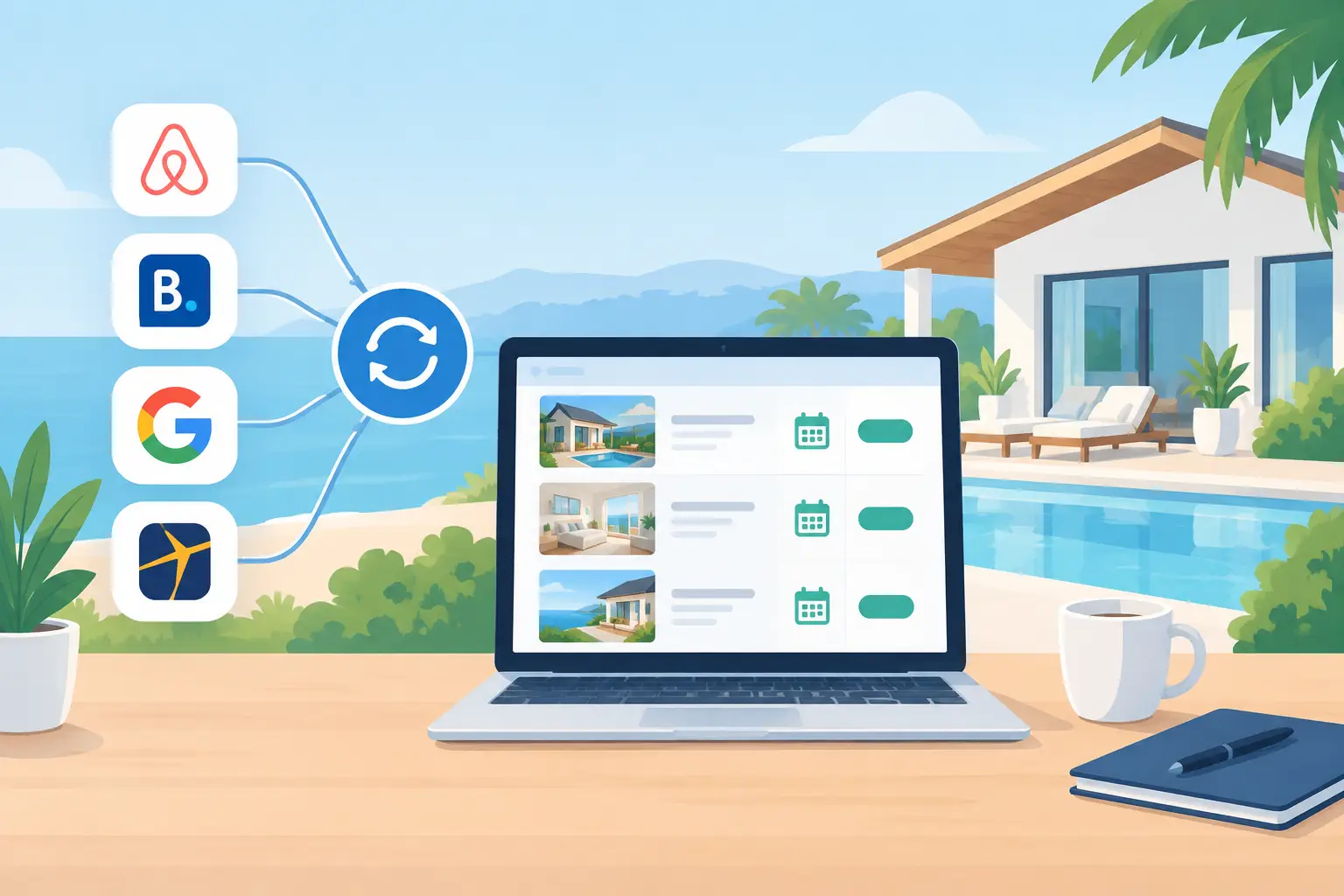
A guest finds your cabin on one booking site for $245 a night, then sees the same dates for $219 on another. They may book the cheaper listing, ask for a refund, or lose confidence before they ever send an inquiry. Rate parity software helps prevent that problem by keeping the rates and rules you set aligned wherever guests can book.
For short-term-rental hosts, parity is not about making every channel identical at all costs. It is about staying in control. You need a system that can account for channel commissions, direct-booking goals, cleaning fees, taxes, minimum stays, and property-specific pricing without leaving outdated numbers behind in separate extranets.
What rate parity means for vacation rentals
Rate parity means your advertised price and booking conditions are consistent across the channels where your property appears. That includes Airbnb, Booking.com, Expedia, your direct-booking website, and any other connected sales channel.
The word “consistent” matters more than “identical.” A $200 base nightly rate may not need to display as $200 everywhere. If one channel charges a higher commission or handles taxes differently, you may choose a different channel-specific rate to protect your margin. The goal is to make that adjustment deliberately, not because one calendar was updated and another was forgotten.
Parity also goes beyond the nightly number. A guest compares the total cost, availability, minimum-stay requirement, cancellation policy, and required fees. If your direct site allows a two-night stay while an OTA requires three nights for the same open dates, that is a parity issue with real revenue consequences.
Why manual updates create expensive gaps
Managing one listing on two channels can feel manageable until the details start moving. You change weekend pricing for an event, block dates for maintenance, add a three-night minimum over a holiday, or reduce a last-minute rate. Then a guest books through a channel you forgot to check.
The immediate cost may be a lower-value reservation. The worse outcome is a double booking, followed by the uncomfortable work of asking one guest to cancel or finding them another place to stay. That can mean relocation costs, a poor review, platform penalties, and time spent putting out a fire that should not have existed.
Manual updates also make revenue management harder to trust. When rates are scattered across several dashboards, it becomes difficult to tell whether a slow week is caused by weak demand, a restrictive stay rule, or a price that never reached one channel. Hosts end up reacting to incomplete information.
A connected system gives you one place to set the commercial rules for each property, then pushes those changes to the channels that support them. The result is less channel hopping and a clearer view of what guests can actually book.
What rate parity software should synchronize
Not every connection works the same way. Each booking platform has its own API capabilities, fee structure, and restrictions. Before choosing a tool, focus on which fields it can update reliably and how quickly changes are delivered.
Rates and date-based pricing
Your software should let you set nightly prices by date, then send them to connected channels. This is especially useful for weekends, holidays, local events, and last-minute gaps. If you use a dynamic pricing tool, make sure the channel manager can receive those rate changes and distribute them without creating conflicting rules.
Look for calendar-level visibility. You should be able to open a property, see the price for a given night, and understand whether a channel-specific adjustment applies. A system that hides pricing logic behind vague automation creates a different kind of uncertainty.
Availability and reservation updates
Availability synchronization is the protection against double bookings. When a reservation arrives from Airbnb, Booking.com, Expedia, or a direct website, the remaining channels should receive the blocked dates promptly.
Speed matters here, but so does the quality of the connection. Some channels connect through an API, while others rely on calendar feeds that update less often and carry less data. Know the difference before you list the same property everywhere. An API connection generally gives more operational control than a basic calendar export.
Minimum stays, closed dates, and arrival rules
A rate can be correct and still fail to convert if the stay rules are wrong. Minimum nights, closed-to-arrival dates, closed-to-departure dates, and preparation time between guests all affect what a guest can book.
These rules are also where manual management breaks down most easily. A three-night minimum for a long weekend should not accidentally remain active for the following Tuesday. Rate parity software gives hosts a practical way to set those rules once and review them from a single calendar.
Fees and total-price consistency
Guests do not book a nightly rate. They book a final total. Cleaning fees, pet fees, taxes, extra-guest charges, and platform service fees can change how your property compares across channels.
You will not always be able to control every fee shown by an OTA, and that is normal. What you can control is your own pricing setup and fee configuration. Review the booking flow as a guest would. If your direct website looks more expensive because a required charge is buried until checkout, fix the presentation rather than assuming the nightly rate is the problem.
Where strict parity can hurt your business
Rate parity is a safeguard, not a reason to ignore channel economics. A direct booking can be more profitable than an OTA reservation because you avoid some channel commissions and build a guest relationship you own. It can make sense to offer a direct-booking benefit, such as a clearer cancellation policy, a returning-guest perk, or better flexibility where permitted.
The key is to avoid confusing or unfair differences. If the same stay costs dramatically more on your direct website, guests have little reason to book with you directly. If it costs dramatically less on your direct site after a guest found you on an OTA, you may run into platform rules and damage trust.
Your strategy should reflect your business model. A host filling one apartment may prioritize occupancy and broad distribution. A manager with several homes may put more weight on consistent margins, repeat guests, and direct-booking growth. Neither approach requires copying the same price blindly across every channel.
How to set up rate parity software without losing control
Start by deciding where your pricing decisions will live. Use one source of truth for each property rather than editing rates separately in every OTA extranet. That source may be your property-management system, channel manager, or connected revenue-management tool.
Next, map your channels. Confirm which listings are connected, which fields sync in both directions, and which settings must remain managed within the channel itself. This step prevents the common mistake of assuming a tool updates a rule that the channel does not accept through its integration.
Then build a simple pricing structure before adding complexity. Set your standard weekday and weekend rates, minimum stays, cleaning fees, and blocked dates. Once the foundation is accurate, add seasonal pricing, event rules, length-of-stay discounts, and last-minute adjustments.
Finally, test like a guest. Check a few future dates on each channel and compare availability, stay restrictions, and final pricing. Repeat the check after major pricing changes and before high-demand periods. Automation reduces repetitive work, but a quick audit protects against mapping errors, channel-side changes, and accidental overrides.
Hostavi is designed around this practical workflow: set prices and stay rules from one operating dashboard, send them to connected channels through the Channex channel manager, and spend less time switching between booking-platform extranets.
Questions to ask before choosing a tool
A low monthly price is useful only if the connection prevents the problems that cost you money. Ask which kind of connection the software offers for the channels you rely on, how it handles direct bookings, and whether pricing and restrictions can be managed per property.
Also ask what happens when a sync fails. You should be able to see errors, identify the affected listing, and correct the issue without filing a vague support ticket and waiting days for an answer. Clear status messages matter when a bookable night is on the line.
Consider the wider operation, too. A good setup does more than update a rate. It connects reservations to guest messages, cleaning tasks, smart-lock access, invoices, and reporting. That does not mean every host needs enterprise software. It means your booking data should reduce work for the rest of your business, not create more of it.
A clean rate strategy gives guests confidence and gives you room to make decisions based on real performance. Set the rules once, verify the guest experience, and let your calendar reflect the business you intend to run.