
What a Vacation Rental Direct Booking Website Needs
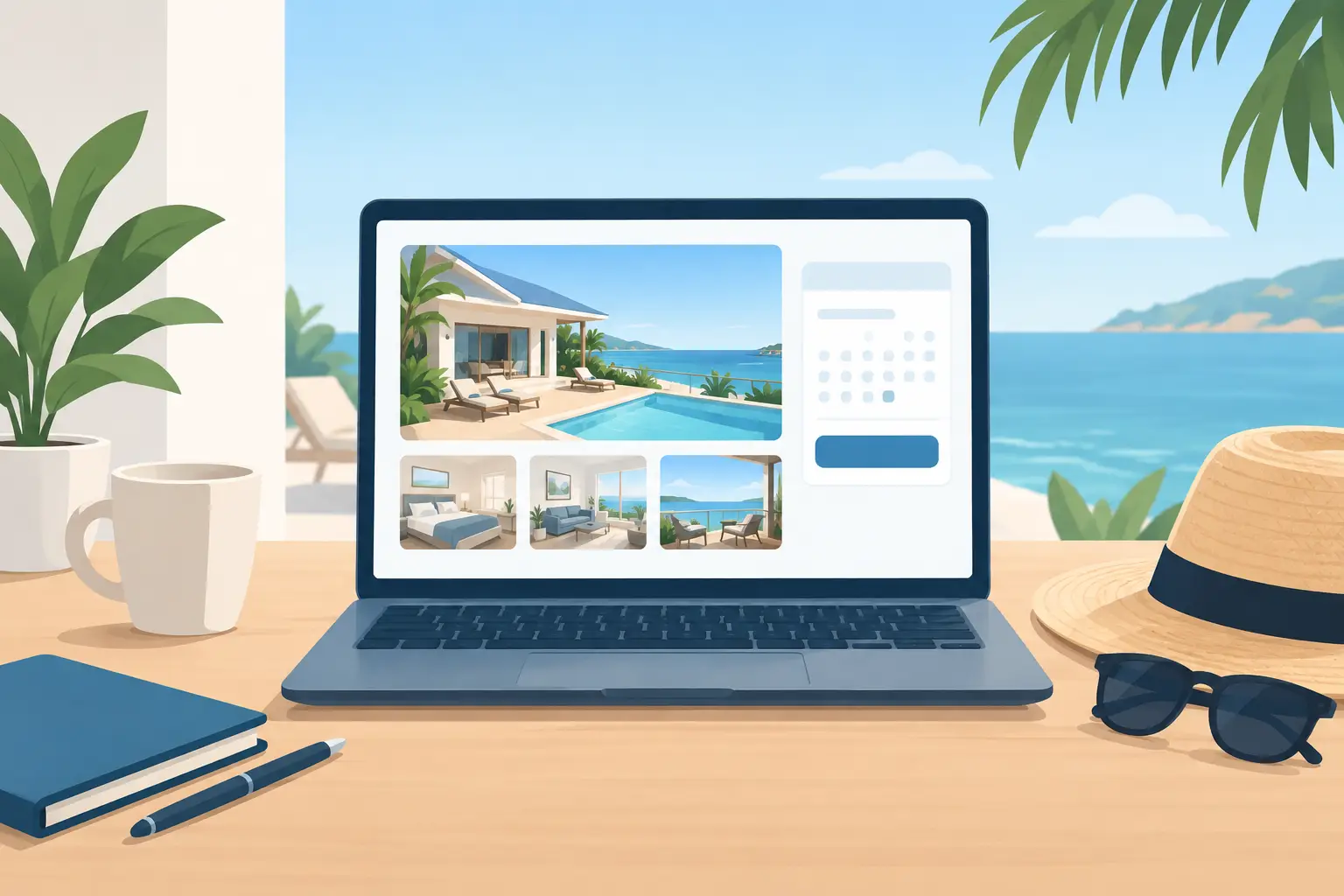
A vacation rental direct booking website should do more than display polished property photos. It needs to turn a guest who found you on Google, social media, or a repeat-stay email into a confirmed reservation without creating more calendar work, payment chasing, or risk of double bookings.
For independent hosts and growing property managers, the goal is not to replace the booking sites you list on. Those channels can still bring valuable demand. The goal is to own the guest relationship when guests already know your brand, trust your property, or want to return. A direct site gives them a place to book with you directly, on your own terms.
Your Direct Booking Site Must Be Connected to Your Calendar
A direct website is only useful if its availability is accurate. Showing open dates that were just booked on another channel is a common way to create an avoidable cancellation, refund, and disappointed guest.
Your booking engine should use the same availability, rates, minimum stays, and booking rules as your channel listings, managed from one place. When a guest reserves through your website, those dates should close on every connected channel automatically, and a booking from another channel should close them on your website too.
This is why a standalone website builder is rarely enough for a vacation rental business. A nice-looking page cannot protect you from calendar conflicts on its own. The booking flow needs a real connection to your property and channel management system.
Set Prices and Stay Rules Once
Direct bookings should not mean maintaining another set of rates manually. If you change a weekend minimum from two nights to three, update a holiday price, or block dates for maintenance, that change should apply wherever it is meant to apply.
You may choose to offer a different direct rate, reflecting your own costs for that channel. That can work well, but it should be intentional. Avoid advertising a discount that leaves you with less revenue after payment processing, taxes, cleaning fees, and the operational cost of the stay.
For many hosts, the better direct-booking advantage is not simply a lower nightly rate. It is clearer value: flexible check-in when available, a repeat-guest offer, local recommendations, or a more personal booking experience. Guests should understand why booking with you directly is worthwhile without feeling pressured.
Make the Booking Path Short and Clear
Guests should be able to answer four questions quickly: Is the property available? What will the full stay cost? What is included? How do I book?
Start with accurate photos, a straightforward description, sleeping arrangements, key amenities, house rules, and location context. A family booking a beach house wants to know about beds, parking, stairs, beach access, and laundry. A business traveler may care more about Wi-Fi, a dedicated workspace, self check-in, and distance from downtown. Do not make guests hunt for details that affect their decision.
The booking section should show dates, guest count, the total price, and any required fees before payment. Surprise charges at the last step cause abandoned bookings and support messages. Be just as clear about deposits, cancellation terms, pet fees, taxes, and minimum-age requirements.
A clean booking flow also reduces low-quality inquiries. When your rules are visible before checkout, guests can decide whether the property fits their trip before they reserve it.
Use Your Own Payment Account
Taking payment through your own Stripe account keeps control of your funds and guest transactions with your business. It also means you can see exactly what payment processing costs, refunds, and payouts look like instead of trying to reconcile another third-party statement.
Choose a setup that supports the payment rules you actually use. Some operators collect the full amount at booking. Others take a deposit and schedule the balance before arrival. Either approach can work, provided the guest sees the terms clearly and your system records each payment status accurately.
Be transparent about direct-booking fees, too. If your software charges a transaction fee, know whether it is applied to the accommodation total, fees, or the entire payment. Small percentages matter when you manage multiple homes. Hostavi, for example, processes direct bookings through the host's own Stripe account; direct booking is part of the Pro plan and its fee is listed on the pricing page, so the cost is easy to account for.
Build Trust Before Asking for Card Details
A direct site does not inherit the trust signals of a major marketplace. You need to earn confidence through clarity and consistency.
Use your real business name, a professional email address, clear contact details, and policies written in plain English. Include property-specific rules rather than relying on vague statements such as “standard terms apply.” If guests need to sign a rental agreement, tell them when and how. If you hold a security deposit, explain the amount, authorization timing, and release process.
Guest reviews can help, especially for a newer direct website. So can recognizable details that show the property is actively managed: current photos, accurate neighborhood guidance, check-in information, and responsive pre-booking communication. What matters is credibility, not clutter. A site covered in badges but missing a phone number or cancellation policy can still feel risky.
Treat Direct Bookings as an Operating Workflow
The reservation is only the beginning. Once a guest books, their confirmation, payment record, welcome message, guidebook, cleaning task, and check-in instructions need to move into the same operational workflow as every OTA reservation.
This matters most on busy turnover days. If a direct booking lands but your cleaner does not see it, a beautiful website has created a new problem. If the guest replies to their confirmation with a question and that message sits in an inbox nobody checks, the direct experience feels less professional than booking through an OTA.
Your system should centralize guest conversations and assign cleaning or maintenance work with the reservation details attached. Smart-lock access can be scheduled around the correct arrival and departure dates. A digital guidebook can answer common questions before they become messages. These are practical details, but they are where guest confidence is won or lost.
Give Repeat Guests a Reason to Return
The strongest direct-booking audience is often the guest who has already stayed with you. They know the home, have experienced your communication, and may return for the same annual event, family visit, or seasonal trip.
Make it easy for them to find you again. Add your website to post-stay messages and guest materials where appropriate. Send a thoughtful follow-up after departure, not a constant stream of promotions. A simple invitation to book directly next time can be more effective than a broad discount campaign.
Do not overlook guests who discovered you elsewhere, either. Social content, local partnerships, and search visibility can create demand over time. But each channel should lead to a website that can convert interest into a confirmed booking, not just another inquiry you have to answer manually.
Measure Whether Your Website Is Paying Its Way
A direct booking site is a revenue channel, so track it like one. Watch direct-booking volume, average daily rate, length of stay, lead time, conversion rate, payment fees, and the source of each booking. If direct guests tend to stay longer or book more often, that may be more valuable than a small nightly-rate difference.
Also compare the operational cost. A direct booking that requires five manual emails, a spreadsheet update, and a separate payment reminder is not as profitable as it first appears. A good setup reduces work while preserving control.
You do not need a large portfolio or a complicated marketing plan to benefit from direct reservations. Start with accurate availability, transparent pricing, secure payment, and a booking path guests can complete without asking for help. Then give every guest a reason to remember where to book next time.